W elcome.
You've found the home ofVodhin's Friendly Vacuum Cleaner Accessories,an archive of many of the innovations dreamed up to make your cleaningexperience better.

The reason for this website is actually very simple: Why not.

I've been looking for information and pictures of vacuum cleaneraccessories for some time, and have not found all that much. Thatdoesn't mean that there aren't any, but now I know of at least one. Mine.

Since the dawn of civilization, when the first door was invented,mankind (actually, womankind, as men would have it) has been trying todefine a border between inside and outside, usually by pointedly declaring that here is clean and thereis dirty. Ever since then it has been an up-hill battle.

For centuries the job hastypically been done with some kind of stick with bristles attached toit. Only since the dawn of the industrial age have we actually improvedmatters. Or have we?

Perhaps the first idea for avacuum cleaner came from someone playing with a fireplace bellows. Someof the earliest designs recorded by the U.S. Patent Office seem tosuggest a thin nozzle attached to a device very much like one of those.Other designs added a nozzle to something like a long, pump type bugsprayer - again, the stick idea. Many of these early vacuums, alongwith many other 'newer' designs, can be found at

VacHunter's Vacuum Cleaner Museum


In-homedemonstrations of new vacuum cleaners were an 'experience', to say the least.


There is a sad truth to thiscartoon that canbe spotted in the advertising used by many vacuum manufacturers over the years: The
falseperception that a woman is meant to stay home and clean.
In time, the machine agecame and new ways for cleaning were quicklydeveloped. One of the very first mechanized vacuums was like one oftoday's carpet sweepers, but included a bellows attached to its wheelsand powered by pushing it across the floor. The dust mites must've beenrolling with laughter, but it did work. Other designs needed twopeople, employing a hand cranked or foot treadled piston while the other person maneuvered a hose and nozzle around the room.

Eventually,motors were added to create suction. It is believed thatthe first motorized vacuum was a steam powered, piston driven suctionmachine mounted on a horse drawn cart. It would sit outside at the curbwhile a long hose was hauled inside. We still use this method forprofessional steam cleaning today, though not by steam power.

Electricmotors also were experimented with. One ofthe first ones was a motorized bellows mounted in a wooden box with athin hose attached to it. Later on, a janitor, fed up with hisallergies, assembled an electric fan, a pillow case, and a revolvingbrush into what would become the Hoover. As you may have guessed, itwas stuck on the end of a stick. Thus the battle of the dust bunniesbegan.


Hereon this site, I'm not going to go onfurther about the actual machines and their development. Instead, Iwill be focusing on the attachments offered up as labor savingaccessories. For a really extensive look at the older vacuums - and I mean look at all the pictures! -

visit Charlie Lester's
 
Cyberspace Vacuum Cleaner Museum.


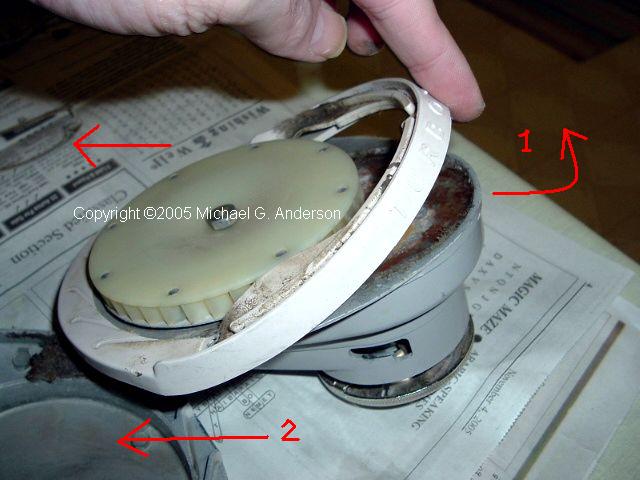
Today, many popular vacuumscome with airpowered or 'turbo'accessories, most notably a small hand-held revolving brush attachment.The young folk probably think that this is some great new innovation,but in fact,the air turbine accessory was the first powered accessory offered forvacuum cleaners. These air powered tools were usually rotating scrubbrushes for waxing and polishing floors, eventually morphing intocarpet shampooers. Air powered accessories, however, were impractical when it came to actually vacuuming up dirt.

To understand this problem, let me quickly explain the two types ofvacuums: Dirty Air and Clean Air.


Adirty Air vacuum has thedust bag after the fan that makes thesuction, typically used in upright vacs. A Clean Air vacuum has thedust bag before the fan, typically used in canister or hose type vacs.In either case, as the dust bag becomes full, the air flow is reduced,more so with canister vacs which typically offered these accessories.

Almostall of today's upright vacs have, throughsome sort of odd osmosis, have become clean air vacs; essentially acanister vac mounted to a stick (yet again...) with a power nozzlestuck on the bottom. This set up offers a better way for hoses andaccessories to attach to the upright, and has pushed that design intothe forefront ofvacuum sales. We might be looking at, in some point in the near future,the complete and utter extinction of the canister vac all together, andwith them will go many of the neat innovations developed to compete with the upright.

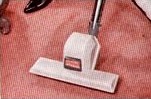
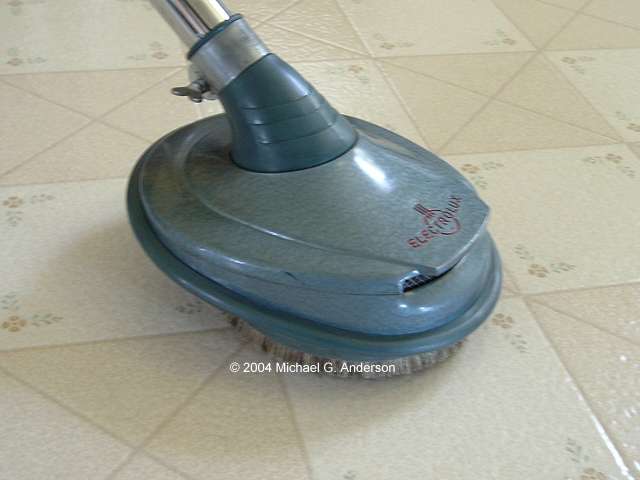
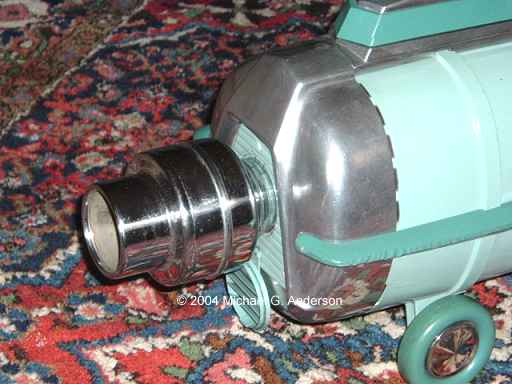
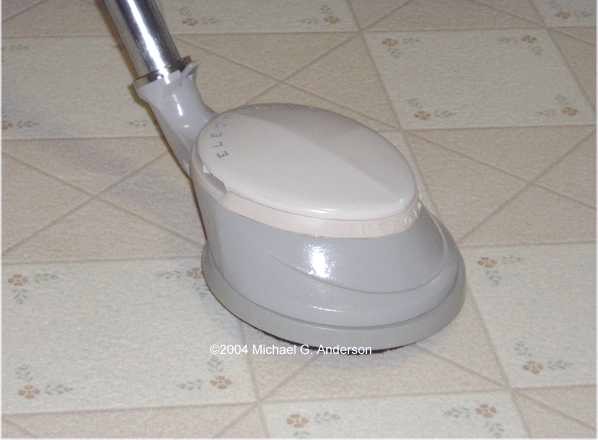
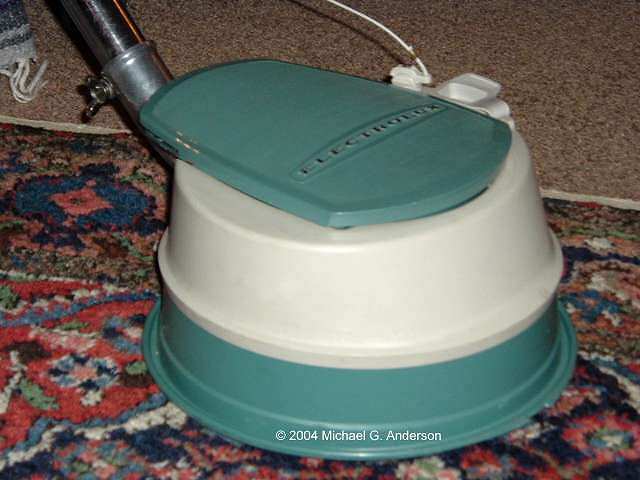
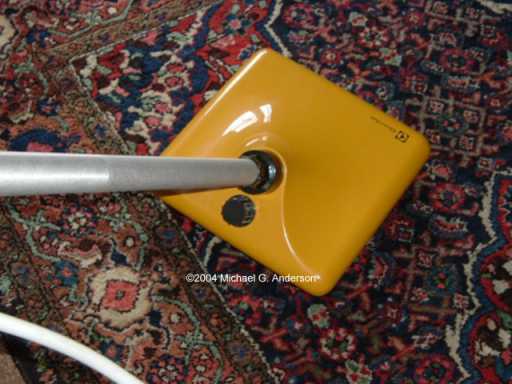
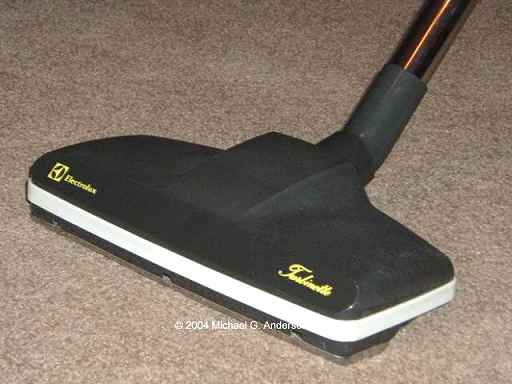
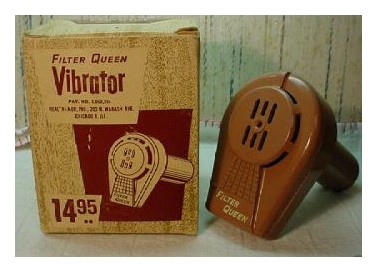
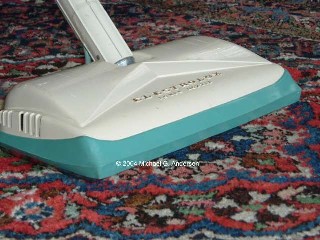
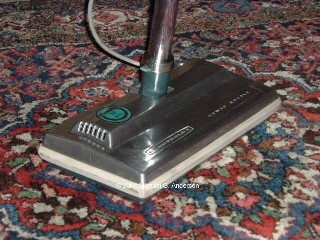
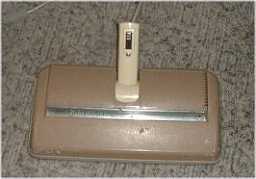
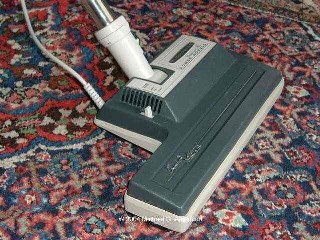
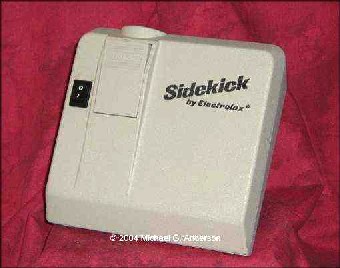
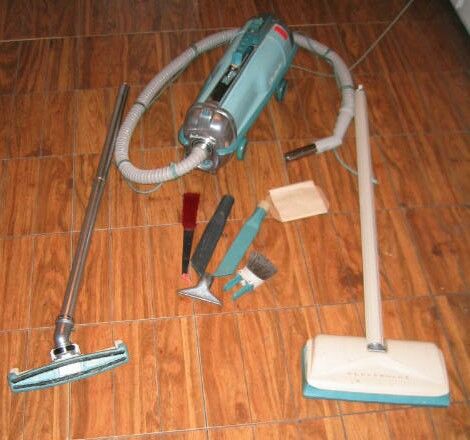
On the next pages you will find some of the various attachments thathave been developed over the years, most notably the motor driven powernozzle and some nifty design innovations that stemmed from it.

Turbo-Toolswork really
well, as long as there is
adequate suction from the
machine


Clickthe picture to continue
(Can anyone tell me what's wrong with the above picture? Sendme an email!)


Thelink above is not clickable, to prevent Spam.
Just write down the address and type it into your email.
Vodhin(Mike Anderson- dat's me!) is not, in any way, associated with any manufacturer or business related to vacuum cleaners or accessories.

This site is meant to be a fun look at a cross section of Pop CultureAmericana and a study of industrial design. I do not wish to convey anyjudgment on the products herein, and intend no harm on anyone or entity.

I also do not claim to be any authorityon this industry, outside of my own observations and from informationgleaned from various product literature.
Allimages on this site are to be assumed copyright protected and may notbe used in any manor contraryto their respective copyrights. If you are the owner of any contentused on this site and wish it removed, please contact me and I willgladly comply- Though I will from then on consider you a stick in the mud.

My own content, including writing, images, and sound, are to beconsidered copyright ©2005 by Michael G. Anderson and may notbe used in any way, in whole or in part, without express, written permission from myself, the author. Hyper-Linkingto any content, other than this index page is strictly prohibited.